
Google Trends Content Gap Analysis 2026: The 7-Day Sprint Method for Newsjacking SEO
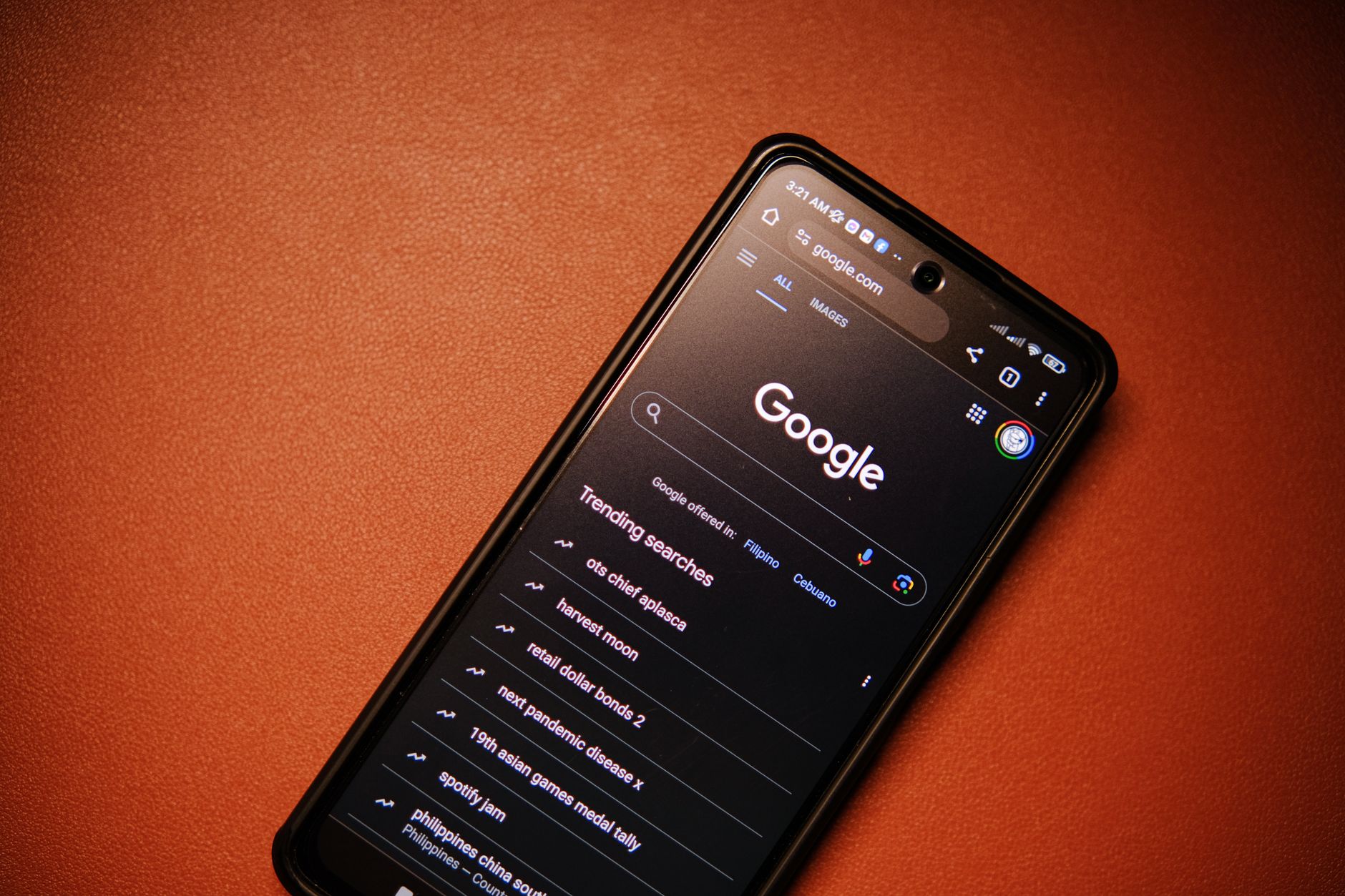
The SEO landscape just shifted again. Search Engine Land’s recent coverage of Google’s evolving news prioritization signals something critical: velocity now beats perfection for trending topics. If you’re still running monthly content audits while competitors publish same-day trend responses, you’re not just behind—you’re invisible.
This is where google trends content gap analysis 2026 becomes your unfair advantage. Not the slow, methodical gap analysis of yesteryear. I’m talking about a rapid-fire system that identifies emerging search spikes your competitors haven’t noticed, validates them against your existing content inventory, and gets you published before the trend curve flattens.
I’ve refined this into a 7-day sprint method after watching three separate clients capture featured snippets for breaking topics their larger competitors completely missed. Here’s exactly how it works.
Why Traditional Gap Analysis Fails for Trending Topics
Standard content gap analysis compares your keyword portfolio against competitors’ static rankings. Useful for evergreen content, fatally slow for anything with a search half-life under 30 days.
The problem? By the time you’ve:
- Crawled competitor sitemaps
- Cross-referenced ranking keywords
- Prioritized opportunity scores
- Briefed your content team
…the trending topic has already peaked, been covered by major publications, and started its decay curve.
Google Trends data refreshes hourly. Search demand for “AI agent regulation” can spike 400% between your morning coffee and lunch. Traditional gap analysis operates on weeks; Google Trends operates on hours.
The 2026 shift: Google’s helpful content systems now weight recency signals more aggressively for queries showing breakout velocity. First-mover content that genuinely addresses emerging intent gets disproportionate ranking boosts that can persist even after the trend normalizes.
The 7-Day Sprint Framework: Google Trends Content Gap Analysis 2026
Here’s the operational rhythm I run with teams:
Day 1: Trend Discovery & Velocity Scoring
- Pull Google Trends data for your core topic clusters with “Breakout” filter enabled
- Cross-reference with Google News API and Search Engine Land’s daily briefing
- Score each trend: Velocity (hour-over-hour growth) × Relevance (your topical authority) × Competition Gap (current SERP thinness)
Day 2: Intent Validation
- Search the trend term manually. What’s Google surfacing? Discussions? News? How-to?
- Check “People also ask” emergence—these populate dynamically based on real-time query patterns
- If PAA boxes are empty or generic, you’ve found a narrative gap
Day 3: Content Angle & Differentiation
- Audit your existing content for near-miss pages (could be updated vs. created fresh)
- Define your unique angle: data journalism, expert commentary, tool/resource, or contrarian take
- Critical 2026 addition: Map to AI Overview trigger likelihood—trends with conflicting sources get AIO summaries, which changes your optimization target
Day 4-5: Rapid Production
- Target 800-1,200 words for trend-responsive content (longer only if the trend proves durable)
- Include original data, expert quotes, or primary research—generic rewrites won’t earn the recency boost
- Optimize for featured snippet capture: direct answers, structured data, timestamp prominence
Day 6: Distribution & Internal Linking
- Push through newsletter, social, and relevant community channels
- Inject internal links from your highest-authority evergreen pages to transfer link equity fast
- Submit through Google Search Console’s URL Inspection for immediate indexing
Day 7: Performance Monitoring & Pivot
- Track impressions in GSC hourly (yes, hourly—this is sprint territory)
- If impressions climb but CTR lags, rewrite title/meta for urgency signals
- If the trend decays faster than expected, convert to evergreen update or redirect to broader topic hub
Three Real Google Trends Gap Patterns (And How to Exploit Them)
Through running this system, I’ve identified recurring patterns that signal exploitable opportunities:
The “Adjacent Spike” Pattern A major trend emerges in your industry, but search behavior immediately fragments into specific sub-queries your competitors ignore. Example: When Google’s March 2026 core update hit, “google core update march 2026” was saturated within hours. But “march 2026 core update ecommerce category pages” showed a 72-hour lag before serious coverage appeared. The adjacent spike is where your expertise gap lives.
The “Authority Vacuum” Pattern Trending topics where established news sites rank, but lack genuine subject expertise. Google Trends shows rising demand; current SERPs are thin Wikipedia rewrites or generic wire service coverage. If you have topical authority in that domain, you can outrank “stronger” domains on recency and depth combined.
The “Platform Migration” Pattern Search interest shifts where people search for a topic. “TikTok SEO 2026” spiking on Google Search itself indicates platform-native audiences are now Googling for cross-platform guidance. These migration patterns create temporary content gaps before incumbent platforms produce optimized resources.
The 2026 Recency Signal Stack: Technical Requirements
Google’s 2026 indexing behavior rewards specific technical implementations for trend-responsive content:
- IndexNow or equivalent ping protocols — Don’t wait for crawler discovery
- Article structured data with
dateModifiedprominently updated — Google surfaces freshness in SERPs - Core Web Vitals pass without exception — Trending queries get mobile-heavy traffic spikes; slow loads kill your recency advantage
- Author entity markup with topical expertise signals — E-E-A-T scrutiny intensifies for news-cycle content
One underutilized tactic: implement LiveBlogPosting structured data for evolving stories. Even if you don’t run a formal live blog, marking significant updates with this schema can trigger Google’s real-time coverage carousels.
Building Your Google Trends Content Gap Analysis 2026 Infrastructure
Sustainable execution requires tooling that doesn’t slow your sprint:
| Function | My 2026 Stack | Cost |
|---|---|---|
| Trend monitoring | Google Trends + Trends Everywhere browser extension | Free-$39/mo |
| Velocity alerts | Glimpse (Google Trends superlayer) + custom Slack webhooks | $29/mo |
| SERP gap validation | Ahrefs/Semrush position tracking for “newly discovered” keywords | Existing subscription |
| Rapid production | Custom GPT with your brand voice + human editor oversight | API costs |
| Indexing acceleration | IndexNow + GSC URL Inspection API | Free |
The critical investment isn’t money—it’s decision velocity. I mandate 4-hour response windows for trends scoring above 7/10 on our velocity-relevance-competition matrix. Miss that window, and you pivot to evergreen angle or drop the topic entirely.
Conclusion: From Gap Analysis to Gap Creation
The ultimate evolution of google trends content gap analysis 2026 isn’t just finding what competitors missed—it’s identifying trends so early that you define the narrative before competitors know a gap exists.
This requires organizational discipline most SEO teams lack: editorial calendars with built-in “trend reserve” capacity, leadership that trusts rapid publishing without multi-stakeholder approval, and analytics that measure impression velocity not just monthly traffic.
Start with one 7-day sprint this month. Pick your highest-velocity topic cluster. Run the full framework. Even if you capture just one breakout trend before it peaks, you’ll likely see more organic growth than six months of standard content production.
The gap isn’t in the data. It’s in your response time.
Like what you're reading?
Check out our recommended partner for this niche.
Work With BerryBloom Agency →